Planning a cruise vacation can feel overwhelming, with countless choices to navigate. From selecting the perfect cruise line and itinerary to understanding hidden fees and booking the best fare, the process requires careful consideration. This guide offers essential tips and strategies to simplify your planning, ensuring a smooth and enjoyable cruise experience. We’ll explore everything from choosing the right cabin to maximizing your onboard experience, empowering you to create the unforgettable vacation you deserve.
We’ll delve into practical advice on comparing booking platforms, securing the best deals, and understanding various cruise costs. Learn how to avoid hidden fees, choose enriching shore excursions, and prepare efficiently for your departure. We’ll also address the diverse range of cruise options available, helping you find the perfect match for your preferences and budget.
Booking Your Cruise
Planning a cruise vacation involves careful consideration of various factors, from choosing the right itinerary to securing the best possible price. This section will guide you through the process of booking your cruise, focusing on best practices to ensure a smooth and enjoyable experience.
Cruise Booking Platforms: A Comparison
Several online platforms facilitate cruise bookings, each offering unique features and benefits. Directly booking with the cruise line provides access to all their offers and potentially better customer service in case of issues. However, online travel agencies (OTAs) like Expedia or Priceline often present a wider range of options, allowing for easy comparison across different cruise lines and itineraries.
OTAs may also offer bundled deals that include flights or hotels, simplifying the overall planning process. Conversely, booking through a dedicated cruise-focused website might provide access to exclusive deals and expert advice. The best choice depends on individual preferences and priorities. Consider factors such as ease of use, available deals, customer support, and the breadth of options when making your decision.
Booking Methods: Travel Agent vs. Direct Booking
Utilizing a travel agent offers the advantage of personalized service and expert advice. Agents can navigate the complexities of cruise itineraries and assist with selecting the best options based on your preferences and budget. They can also handle any unforeseen issues that might arise during your trip. However, using a travel agent usually involves additional fees. Booking directly with the cruise line offers greater control over the booking process and potential access to exclusive promotions.
However, you will be solely responsible for handling any complications that may occur. The choice depends on your comfort level with independent planning and your willingness to pay for the convenience of professional assistance.
Securing the Best Cruise Fare
Finding the lowest cruise fare often involves strategic timing and the utilization of available discounts. Booking well in advance can sometimes secure lower prices, but last-minute deals occasionally appear as cruise lines try to fill empty cabins. Consider travelling during the shoulder season (spring or fall) to avoid peak season crowds and potentially higher prices. Keep an eye out for promotional offers, such as early booking discounts, group discounts, or military/senior discounts.
Websites and travel agents frequently advertise these deals. Furthermore, loyalty programs offered by cruise lines can provide significant savings on future cruises. Flexibility in your travel dates also expands your options for finding better deals.
Booking a Cruise Online: A Step-by-Step Guide
The online booking process typically involves several key steps. While specific steps and interfaces vary depending on the platform, the general process remains consistent. The following table provides a generalized overview:
| Step | Action | Description |
|---|---|---|
| 1 | Select your cruise | Choose your desired cruise line, itinerary, and dates. This often involves using filters to refine your search based on price, destination, ship size, and amenities. |
| 2 | Select your cabin | Choose your preferred cabin type and location on the ship. Cabin location influences price and proximity to amenities. |
| 3 | Add passengers and details | Enter passenger information, including names, ages, and passport details. Accurate information is crucial for travel documentation. |
| 4 | Review and confirm booking | Carefully review all booking details, including the total price and any additional fees. Correct any errors before proceeding. |
| 5 | Payment | Provide payment information securely. Most platforms offer various payment options. |
| 6 | Receive confirmation | Once payment is processed, you will receive a confirmation email containing your booking details and important information. |
Understanding Cruise Costs and Fees
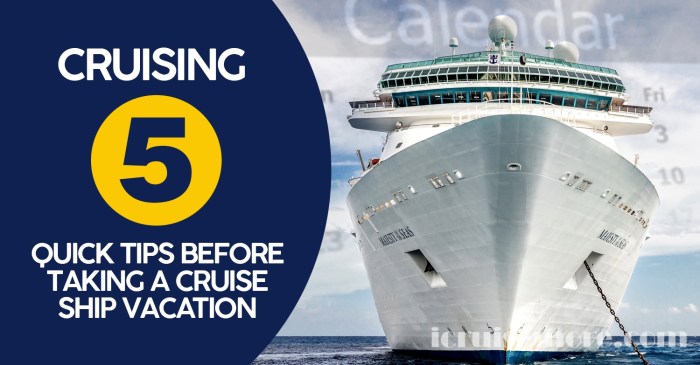
Planning a cruise vacation requires careful consideration of the various costs involved, extending beyond the initial advertised price. Understanding these expenses is crucial to budgeting effectively and avoiding unexpected financial burdens. This section will detail common hidden fees, cabin categories and their pricing, onboard spending options, and a sample budget breakdown to help you navigate the financial aspects of your cruise.
Hidden Cruise Fees and Avoidance Strategies
Several fees can significantly impact your total cruise cost. These often go unnoticed during the initial booking process. Proactive research and careful reading of the fine print can help mitigate these surprise expenses.
- Gratuities: Most cruise lines automatically add gratuities to your onboard account for dining and cabin service. While customary, you can often adjust or decline these charges beforehand, although it’s generally considered polite to tip service staff directly. Be aware of the per-person, per-day rate and factor this into your budget.
- Port Fees and Taxes: These government-mandated fees cover port access and various administrative costs. They are usually added to your final bill and vary depending on the itinerary.
- Onboard Activities and Purchases: Expenses like specialty dining, spa treatments, shopping, and internet access can quickly accumulate. Budgeting for these discretionary items is essential to avoid overspending.
- Beverage Packages: While seemingly convenient, carefully consider the value of drink packages. Calculate your average daily beverage consumption to determine if the package price justifies the potential savings.
- Shore Excursions: Pre-booking excursions through the cruise line can be more expensive than arranging them independently. Research local tour operators and compare prices before committing.
Cruise Cabin Categories and Costs
Cruise cabins vary significantly in size, location, and amenities, directly impacting their price. Understanding these categories helps in selecting a cabin that aligns with your budget and preferences.
| Cabin Category | Description | Approximate Cost Range (per person, per week) |
|---|---|---|
| Inside | No window, smaller size | $500 – $1000 |
| Oceanview | Window or porthole, typically smaller than balcony | $700 – $1500 |
| Balcony | Private balcony, larger size | $1200 – $2500 |
| Suite | Luxury accommodations, multiple rooms, extra amenities | $3000+ |
Note
These are approximate ranges and vary greatly based on the cruise line, ship, itinerary, and time of year.*
Onboard Spending Options and Value Assessment
Various onboard spending options cater to diverse preferences. Evaluating their value relative to your needs is crucial for responsible budgeting.
- Drink Packages: These packages offer unlimited beverages, but their value depends on your drinking habits. Compare the package cost to your estimated daily beverage spending to assess if it’s cost-effective.
- Shore Excursion Packages: Pre-booked excursions offer convenience but might be pricier than independent arrangements. Researching alternative options can yield significant savings.
- Specialty Dining: Many cruises offer specialty restaurants with unique menus and atmospheres. Factor these costs into your budget if you plan to dine there.
- Spa Treatments and Activities: Spa services and other onboard activities are additional expenses to consider. Prioritize based on your budget and preferences.
Sample Cruise Vacation Budget Breakdown
A well-structured budget ensures a financially stress-free cruise experience. This sample breakdown considers various expenses:
- Pre-Cruise Expenses:
- Flights: $500
- Pre-cruise hotel (1 night): $150
- Transportation to/from airport: $50
- Cruise Fare: $1000 (per person)
- Onboard Expenses:
- Gratuities: $150
- Drinks (excluding package): $100
- Specialty Dining: $200
- Shore Excursion: $300
- Souvenirs & Shopping: $100
- Post-Cruise Expenses:
- Transportation from port: $50
- Post-cruise hotel (1 night): $150
Note
This is a sample budget; adjust it based on your chosen cruise, cabin category, and spending habits.*
Choosing the Right Cruise Itinerary and Activities
Selecting the perfect cruise itinerary and onboard activities is crucial for a memorable vacation. The vast array of options available can be overwhelming, but careful consideration of your preferences and travel style will lead to a seamless and enjoyable experience. This section will guide you through the process of choosing the right itinerary and activities to match your individual needs and desires.
Diverse Cruise Itineraries
Cruise itineraries vary widely, offering a diverse range of destinations and experiences. Caribbean cruises, for example, typically feature sunny weather, pristine beaches, and vibrant cultures. Expect to visit islands like Jamaica, Barbados, or the Bahamas, enjoying water sports, exploring historical sites, and indulging in local cuisine. Mediterranean cruises, on the other hand, offer a rich tapestry of history, culture, and stunning scenery.
Expect visits to iconic cities like Rome, Athens, and Barcelona, with opportunities to explore ancient ruins, art museums, and bustling marketplaces. Alaskan cruises provide a completely different experience, showcasing breathtaking glaciers, abundant wildlife, and dramatic landscapes. Expect to witness majestic whales, spot bears fishing for salmon, and explore charming coastal towns. Finally, river cruises offer a more intimate and tranquil experience, navigating picturesque waterways and providing access to smaller towns and villages often missed by larger ocean-going vessels.
The Rhine, Danube, and Mississippi rivers are popular choices, each offering unique cultural and historical experiences.
Selecting Shore Excursions
Choosing shore excursions that align with your interests and physical abilities is essential for maximizing your enjoyment. Before booking, carefully review the descriptions of available excursions, paying close attention to the level of activity involved, the duration, and the transportation methods used. Consider your physical capabilities and any mobility limitations. For example, if you have limited mobility, opt for excursions that involve less walking or strenuous activity.
If you’re interested in history, select tours focusing on historical sites and museums. If you prefer adventure, choose activities such as zip-lining, hiking, or kayaking. Booking excursions in advance is highly recommended, especially during peak season, to secure your preferred choices.
Onboard Amenities and Activities
Different cruise lines offer varying onboard amenities and activities, catering to different preferences and budgets. Some lines, known for luxury, offer extensive spa facilities, gourmet dining options, and exclusive butler service. Others focus on family-friendly activities, providing kids’ clubs, water parks, and interactive entertainment. Many lines offer a mix of options, including swimming pools, fitness centers, theaters, casinos, and nightclubs.
Researching the specific amenities and activities offered by different cruise lines before booking is crucial to ensuring your needs are met. For instance, some lines might specialize in enriching educational programs, while others focus on live music and theatrical performances. Consider your priorities when comparing options.
Typical Cruise Ship Layout
Imagine a cruise ship as a floating city. The central area often features multiple decks with a grand atrium, providing a central meeting point with shops, bars, and seating areas. Flanking this central area are various decks containing guest cabins, typically arranged along corridors. At the stern (rear) of the ship, you’ll often find the main dining rooms, offering formal and informal dining experiences.
Toward the bow (front), you’ll typically find more casual dining options, buffets, and poolside eateries. Amidships (middle), you’ll usually find the main pools, often accompanied by sun decks and whirlpools. The ship’s theater is usually located on a central deck, easily accessible from various parts of the ship. Other key areas might include a spa and fitness center, located on a quieter deck, and various lounges and bars scattered throughout the ship, offering different atmospheres and entertainment options.
The layout will vary slightly from ship to ship, but this provides a general overview.
Pre-Cruise Preparations and Documentation
Planning ahead is key to a smooth and enjoyable cruise vacation. Thorough preparation, including gathering necessary documentation and packing strategically, will minimize stress and maximize your enjoyment. Overlooking even minor details can lead to unexpected complications, so careful attention to these pre-cruise tasks is highly recommended.
Essential Travel Documents
Before embarking on your cruise, ensure you have all necessary travel documents readily available. These documents are crucial for a seamless travel experience and can prevent delays or complications at the airport and port. Losing or forgetting these items can significantly impact your trip.
- Passport: A valid passport with at least six months of validity remaining beyond your return date is essential for international travel. Check your passport’s expiration date well in advance of your cruise.
- Visa (if required): Depending on your nationality and destination, you may need a visa. Research visa requirements well in advance and apply for one in a timely manner, as processing times can vary.
- Cruise Line Tickets/Confirmation: Your cruise tickets or confirmation documents serve as proof of your booking and provide essential information about your itinerary. Keep these documents safe and readily accessible.
- Travel Insurance Information: Travel insurance is highly recommended to protect against unforeseen circumstances such as medical emergencies, trip cancellations, or lost luggage. Keep your policy details readily available.
- Flight Itinerary (if applicable): If your cruise involves air travel, keep your flight itinerary handy for easy reference and to ensure smooth transfers between airports and the cruise port.
Packing for Your Cruise
Packing efficiently and strategically is vital for a comfortable cruise experience. Consider the climate of your destination, planned activities, and the formality of onboard events when deciding what to pack. Overpacking can be cumbersome, while underpacking can lead to inconvenience.
Clothing should be versatile and adaptable. Pack lightweight, breathable clothing suitable for warm weather, along with a few dressier items for formal nights (if applicable). Don’t forget comfortable walking shoes, swimwear, and any necessary outerwear for cooler evenings or excursions. Include appropriate clothing for planned activities, such as hiking or water sports.
Toiletries should be travel-sized and comply with airline regulations (if applicable). Consider packing a reusable water bottle to stay hydrated. Don’t forget sunscreen, insect repellent, and any personal medications. A small first-aid kit can also be helpful.
Other essentials include a copy of your travel documents (separate from the originals), a universal adapter (if needed), and any necessary electronics and chargers. Consider bringing a book, journal, or other forms of entertainment for downtime.
Managing Pre-Cruise Anxiety and Embarkation
Pre-cruise anxiety is common, but several strategies can help mitigate stress and ensure a smooth embarkation. Careful planning and a positive mindset can contribute to a relaxing and enjoyable start to your vacation. Remembering that millions of people successfully embark on cruises every year can be reassuring.
Review your itinerary and documents in advance to feel prepared. Confirm your transportation arrangements and allow ample time to reach the port. Pack your bags in advance to avoid last-minute rushing. Consider using packing cubes or compression bags to maximize space and organization. Practicing relaxation techniques, such as deep breathing or meditation, can help calm pre-cruise nerves.
Arrive at the port with plenty of time to spare, allowing for potential delays or unforeseen circumstances. Familiarize yourself with the embarkation process before your arrival. Once onboard, take time to explore the ship and settle into your cabin.
Reviewing Cruise Line Policies and Procedures
Familiarizing yourself with your cruise line’s policies and procedures before departure is essential for a hassle-free vacation. This proactive step can prevent misunderstandings and potential issues. Understanding the rules and regulations will help you make informed decisions and enjoy your cruise to the fullest.
Carefully review the cruise line’s terms and conditions, including cancellation policies, baggage allowances, and onboard rules and regulations. Understand the procedures for onboard emergencies, medical services, and shore excursions. Note any dress codes or restrictions for specific onboard activities or dining venues. Contact the cruise line directly with any questions or concerns prior to departure.
Ultimately, booking a cruise vacation is about creating a personalized experience that aligns with your desires and budget. By following the tips and strategies Artikeld in this guide, you can confidently navigate the planning process, avoid potential pitfalls, and embark on a seamless and unforgettable journey. Remember to prioritize thorough research, proactive planning, and careful consideration of your preferences to ensure your cruise vacation exceeds expectations.
Bon voyage!
Expert Answers
What’s the best time to book a cruise for the best deals?
Generally, booking well in advance (6-9 months) or during off-season periods often yields better deals. Last-minute deals can sometimes appear, but availability is limited.
Can I bring my own alcohol onboard?
Most cruise lines have restrictions on bringing alcohol onboard. Policies vary, so check your specific cruise line’s guidelines.
What if I need to cancel my cruise?
Cancellation policies vary depending on the cruise line and the time of cancellation. Travel insurance is highly recommended to mitigate potential losses.
Are gratuities included in the cruise fare?
Gratuities are usually not included in the base fare and are added separately. You can often pre-pay gratuities or adjust them at the end of your cruise.