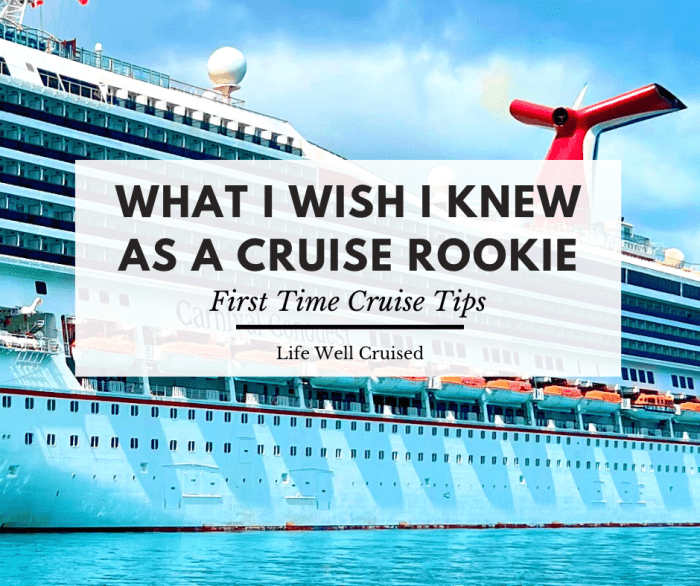
Embarking on your first cruise can be both exciting and daunting. The sheer number of choices—from selecting the right cruise line to planning shore excursions—can feel overwhelming. This guide provides essential tips and insights to help first-time cruisers navigate the process, ensuring a smooth and memorable vacation. We’ll cover everything from pre-cruise planning and onboard activities to post-cruise procedures, leaving no stone unturned in your journey to a perfect cruise experience.
From finding the best deals and packing efficiently to understanding onboard etiquette and maximizing your shore excursions, we aim to equip you with the knowledge you need to make the most of your maiden voyage. Whether you’re dreaming of a Caribbean getaway or a European river cruise, this comprehensive guide will help you transform your cruise aspirations into a reality.
Planning Your First Cruise
Embarking on your first cruise can feel overwhelming, but with careful planning, it can be an incredibly rewarding experience. This section will guide you through the essential steps to ensure a smooth and enjoyable voyage. We’ll cover itinerary planning, packing strategies, cruise line comparisons, and an explanation of cabin categories.
Sample 7-Day Caribbean Cruise Itinerary
A typical 7-day Caribbean cruise often visits multiple islands, offering diverse experiences. This sample itinerary balances relaxation with exploration. Remember that specific ports and activities can vary depending on the cruise line and time of year.
- Day 1: Embarkation (Port of Departure, e.g., Miami). Settle into your cabin and enjoy the ship’s amenities. Many lines offer embarkation day tours or onboard activities.
- Day 2: At Sea. Relax by the pool, explore the ship’s facilities, participate in onboard activities (shows, classes, etc.), and enjoy the dining options.
- Day 3: Cozumel, Mexico. Explore Mayan ruins, snorkel or dive in the crystal-clear waters, or relax on the beach. Consider a guided tour to maximize your time.
- Day 4: Grand Cayman, Cayman Islands. Swim with stingrays at Stingray City, relax on Seven Mile Beach, or explore George Town’s duty-free shops. Pre-booking excursions is recommended.
- Day 5: Falmouth, Jamaica. Visit Dunn’s River Falls, explore the Luminous Lagoon, or enjoy the vibrant culture of Falmouth. Consider a private driver for a customized tour.
- Day 6: At Sea. Enjoy another day of onboard activities and relaxation. This is a good time to catch up on any missed activities or simply unwind.
- Day 7: Disembarkation (Port of Departure). Enjoy a final breakfast onboard before disembarking and heading home, filled with memories of your Caribbean adventure.
Cruise Packing List: Essential Items and Space-Saving Techniques
Efficient packing is crucial for a comfortable cruise. Prioritize versatile clothing items and utilize space-saving techniques to maximize your luggage capacity.
- Clothing: Pack versatile clothing items that can be mixed and matched. Choose lightweight, wrinkle-resistant fabrics. Consider packing cubes to compress clothing and keep items organized.
- Toiletries: Bring travel-sized toiletries to save space and comply with airline regulations. Many cruise lines provide basic toiletries, but bringing your preferred brands is advisable.
- Shoes: Pack comfortable walking shoes, sandals, and any special footwear for planned activities (e.g., water shoes for snorkeling).
- Accessories: Pack a hat, sunglasses, sunscreen, and a reusable water bottle to stay protected and hydrated.
- Documents: Ensure you have your passport, cruise tickets, and travel insurance information readily accessible.
- Electronics: Pack chargers, adapters (if necessary), and any other essential electronics. Consider using a portable charger for convenience.
- Medication: Pack any necessary prescription medications in their original containers.
Cruise Line Comparison: Unique Selling Points and Target Audiences
Different cruise lines cater to different preferences and budgets. Researching various lines helps you find the best fit for your travel style.
| Cruise Line | Unique Selling Points | Target Audience |
|---|---|---|
| Royal Caribbean | Extensive onboard activities, innovative features | Families, active travelers |
| Disney Cruise Line | Themed experiences, character interactions | Families with young children |
| Carnival Cruise Line | Fun and lively atmosphere, affordable prices | Budget-conscious travelers, younger crowds |
| Norwegian Cruise Line | Flexible itineraries, freestyle cruising | Independent travelers, those seeking flexibility |
| Celebrity Cruises | Modern ships, sophisticated ambiance | Luxury-seeking travelers |
Cruise Cabin Categories and Amenities
Cruise ship cabins vary significantly in size, location, and amenities. Choosing the right cabin type depends on your budget and preferences.
- Inside Staterooms: The most affordable option, these cabins lack an ocean view.
- Oceanview Staterooms: Offer a window with an ocean view, providing a brighter and more spacious feel than inside staterooms.
- Balcony Staterooms: Include a private balcony, providing a personal outdoor space to enjoy the ocean views.
- Suites: The most luxurious option, suites offer spacious accommodations, enhanced amenities (e.g., butler service, concierge), and premium locations on the ship.
Booking and Pre-Cruise Preparations
Embarking on your first cruise can feel overwhelming, but careful planning during the booking and pre-cruise phases ensures a smooth and enjoyable journey. This section will guide you through securing the best deals, protecting your investment with travel insurance, completing necessary paperwork, and gathering essential travel documents.Securing the best cruise deals and effectively using booking websites requires a strategic approach.
Several factors contribute to finding the optimal price and cruise experience.
Finding the Best Cruise Deals
Finding the best cruise deals involves comparing prices across multiple booking websites, taking advantage of last-minute deals (while understanding the potential drawbacks), and considering less popular travel times. Websites such as Expedia, CruiseDirect, and Kayak allow you to compare prices from various cruise lines. Consider using price comparison tools and setting up price alerts to track changes. Booking further in advance often yields better deals, though last-minute deals can sometimes offer significant savings.
Remember to factor in additional costs like onboard spending money, excursions, and gratuities when comparing overall package prices.
Selecting and Understanding Travel Insurance
Travel insurance is a crucial investment for any cruise vacation. It provides financial protection against unexpected events such as trip cancellations, medical emergencies, and lost luggage. Policies vary widely in coverage, so carefully review the terms and conditions before purchasing. Consider the level of coverage needed based on your trip length, destination, and pre-existing medical conditions. Comprehensive policies often cover trip interruptions, medical expenses, and even lost or stolen belongings.
A reputable travel insurance provider will offer clear policy details and responsive customer service. The cost of insurance is a small price to pay for the peace of mind it offers.
Completing Online Check-In and Managing Pre-Cruise Paperwork
Most cruise lines offer online check-in, a convenient process that simplifies pre-cruise paperwork. This usually involves providing passenger details, selecting cabin preferences (if available), and completing any necessary health questionnaires. The online check-in process typically opens several weeks before departure. Pay close attention to deadlines, as failure to complete check-in on time may result in delays or additional fees.
After completing online check-in, you will receive your cruise documents electronically, which often include boarding passes and luggage tags. Familiarize yourself with these documents and keep them readily accessible.
Obtaining Necessary Travel Documents
Securing the correct travel documents is essential for a smooth cruise experience. This primarily involves obtaining a valid passport and any necessary visas, depending on your nationality and destination. Passport requirements vary by country, so ensure your passport’s validity extends beyond your cruise’s return date by at least six months. Visas are required for entry into certain countries; check the visa requirements of each port of call well in advance.
Allow ample time for processing, as visa applications can take several weeks or even months to be approved. Keep copies of all your travel documents, including your passport, tickets, and insurance information, both electronically and physically, in separate locations.
Onboard Activities and Amenities
Stepping onto a cruise ship is like entering a floating resort town, offering a diverse range of activities and amenities designed to keep you entertained and engaged throughout your voyage. From dazzling theatrical performances to exhilarating watersports, the options are virtually limitless, catering to all ages and interests. Understanding what’s available and planning accordingly will ensure you make the most of your cruise experience.
Onboard Entertainment Options
Cruise ships are renowned for their extensive entertainment programs. Most offer a mix of Broadway-style shows, live music performances (ranging from jazz and blues to rock and pop), comedy acts, and themed parties. Many ships also feature movie theaters, game shows, trivia contests, and dance classes. For those seeking a more relaxed experience, libraries, quiet lounges, and observation decks provide tranquil spaces for contemplation.
Active travelers can participate in fitness classes, utilize the onboard gym, and enjoy swimming pools and whirlpools. Some ships even offer unique experiences such as ice-skating rinks, rock climbing walls, or simulated surfing. The specific offerings vary depending on the cruise line and the size of the ship, but a comprehensive entertainment calendar is usually available onboard.
Sample Daily Schedule Incorporating Onboard Activities and Dining
A sample daily schedule could include:Morning: Start your day with a fitness class followed by breakfast at the main dining room.Mid-morning: Explore the ship’s shops or relax by the pool.Lunch: Enjoy a casual lunch at the buffet.Afternoon: Attend a cooking demonstration or participate in a trivia contest.Late Afternoon: Relax by the pool or enjoy a spa treatment.Evening: Attend a Broadway-style show followed by dinner at a specialty restaurant.Night: Enjoy a drink at a lounge or try your luck at the casino.
Comparison of Dining Venues
Cruise ships offer a variety of dining options to suit every taste and budget. The main dining room provides a formal, multi-course dining experience with a rotating menu. Buffets offer a more casual, self-service option with a wider variety of choices, often including international cuisines. Specialty restaurants, which typically require an additional fee, provide a more upscale and intimate dining experience with specialized menus, often featuring specific cuisines like Italian, steak, or seafood.
For example, a ship might offer a traditional Italian trattoria with handcrafted pasta, a sophisticated steakhouse with prime cuts, or a seafood restaurant with fresh catches prepared by skilled chefs. The quality and style of these venues vary greatly between cruise lines and individual ships.
Strategies for Maximizing Onboard Experience and Avoiding Pitfalls
To maximize your onboard experience, it is advisable to review the daily program early in your cruise to plan your activities. Making reservations for specialty dining and popular shows in advance is also recommended, especially during peak season. Familiarize yourself with the ship’s layout and locate key amenities such as your stateroom, dining rooms, and entertainment venues. Take advantage of free activities, such as poolside games and live music.
Remember to stay hydrated, especially in warmer climates. Avoid over-scheduling your days, leaving room for spontaneity and relaxation. Be mindful of potential crowds, especially during peak hours at the buffet and popular attractions. Finally, take advantage of opportunities to interact with the crew and fellow passengers to enhance your overall cruise experience.
Cruise Etiquette and Practical Tips
Embarking on your first cruise can be an exciting adventure, but understanding proper etiquette and practical tips will enhance your experience and ensure a smooth sailing. This section covers essential guidelines for navigating the social dynamics and logistical aspects of your cruise, helping you to make the most of your vacation.
Cruise Etiquette Guidelines
Following basic etiquette ensures a pleasant experience for everyone onboard. Adhering to these guidelines contributes to a harmonious atmosphere and shows respect for your fellow passengers and the crew.
- Respect Quiet Hours: Be mindful of noise levels, especially during designated quiet hours, typically late at night and early morning. Avoid loud conversations and disruptive behavior in public areas.
- Dress Appropriately: While casual attire is generally acceptable during the day, formal nights often require more elegant dress. Check your cruise line’s dress code guidelines before packing.
- Be Considerate of Others: Avoid cutting in line, hogging lounge chairs, or leaving belongings unattended for extended periods. Practice common courtesy and be mindful of the space around you.
- Respect the Crew: Treat all crew members with respect and politeness. They work hard to ensure a pleasant experience for everyone. A simple “please” and “thank you” go a long way.
- Follow Safety Procedures: Pay attention to safety announcements and drills. Familiarize yourself with emergency procedures and locations of life vests and muster stations.
Tipping Crew Members
Tipping is customary on cruises and is a significant part of crew members’ compensation. While some gratuities are automatically added to your onboard account, discretionary tips for exceptional service are appreciated.
Automatic gratuities are typically charged daily per person and cover service staff in dining rooms, housekeeping, and other areas. You can usually adjust these charges if you have specific concerns. For exceptional service, small cash tips are often given to bar staff, room service attendants, and other service providers. A range of $1-$5 per service is common, depending on the service and your satisfaction.
Managing Onboard Spending
Cruise ships offer various tempting amenities and activities that can quickly add up. Planning and budgeting are crucial to avoid unexpected expenses.
Before embarking, set a daily or total spending limit and track your expenses carefully. Use the ship’s onboard account system to monitor your charges regularly. Consider pre-purchasing drink packages or shore excursion packages if it fits your budget and preferences. Avoid impulse purchases and be aware of hidden fees or extra charges for certain services or activities.
Many cruise lines offer cashless systems, so using credit cards or the ship’s card is common, allowing easy tracking but requiring responsible use.
Staying Healthy and Safe
Maintaining your health and safety is paramount during a cruise. Taking preventative measures will help you enjoy your vacation without interruption.
Pack necessary medications, and consult your doctor before traveling about any health concerns. Stay hydrated by drinking plenty of water, especially in warm climates. Be mindful of food safety and hygiene practices. Use sunscreen and protective clothing to prevent sunburn. Familiarize yourself with the ship’s medical facilities and procedures.
Avoid consuming excessive alcohol, and be aware of your surroundings, especially in unfamiliar ports. It’s also wise to make copies of important documents, like passports and travel insurance information, and store them separately from the originals.
Planning your first cruise shouldn’t be a source of stress; it should be an exciting adventure! By following the tips and advice Artikeld in this guide, you can confidently prepare for an unforgettable experience. Remember to research your chosen cruise line, carefully plan your itinerary, and embrace the unique opportunities presented by both onboard activities and shore excursions. With a little preparation and the right mindset, your first cruise is sure to be the beginning of many more incredible voyages.
Answers to Common Questions
What’s the best time of year to cruise?
The best time depends on your destination and preference. Shoulder seasons (spring and fall) often offer pleasant weather and fewer crowds, while peak seasons (summer and holidays) may have higher prices but more onboard activities.
How much should I budget for tips?
Cruise lines typically suggest a daily amount per person for gratuities, which is automatically added to your onboard account. You can adjust this amount if needed, but it’s customary to tip additional amounts for exceptional service.
What if I get seasick?
Many remedies are available for seasickness, including over-the-counter medication, acupressure wristbands, and even ginger candies. Consider booking a cabin on a lower deck and in the middle of the ship for a smoother ride.
Can I bring my own alcohol onboard?
Most cruise lines have restrictions on bringing alcohol onboard. Check your cruise line’s policy before your departure, as penalties may apply for bringing unauthorized beverages.


