
Embark on a journey through the heart of Europe, exploring its captivating landscapes and rich history from a unique perspective: aboard a luxurious river cruise. These voyages offer a captivating alternative to traditional ocean cruises, providing intimate access to charming towns, picturesque vineyards, and iconic landmarks often inaccessible by land. Imagine gliding along serene waterways, waking each morning to a new breathtaking vista, while indulging in unparalleled comfort and impeccable service.
This guide delves into the world of European river cruise vacations, providing insights into planning, destinations, and everything in between, ensuring a seamless and unforgettable experience.
From the majestic Rhine to the enchanting Danube, Europe’s rivers weave a tapestry of cultural richness and natural beauty. This exploration will cover the top destinations, detailing the unique experiences each offers, along with tips for choosing the perfect itinerary, cruise line, and even budgeting for your dream river cruise vacation. Whether you’re a seasoned traveler or embarking on your first adventure, this comprehensive guide will equip you with the knowledge and resources needed to plan a truly exceptional European river cruise.
Defining European River Cruise Vacations
European river cruises offer a unique and increasingly popular way to explore the continent’s stunning landscapes and rich history. Unlike the bustling atmosphere of an ocean cruise, river cruises provide a more intimate and relaxed experience, focusing on the smaller towns and waterways often inaccessible to larger vessels. They offer a slower pace of travel, allowing for deeper immersion in the local culture and environment.River cruises and ocean cruises cater to different preferences.
Ocean cruises are typically larger, offering a wider array of onboard amenities and activities, and often visiting multiple countries across vast distances. However, this comes at the cost of a more rushed experience, with less time spent in each port. River cruises, in contrast, prioritize in-depth exploration of a specific region, allowing passengers more time to explore destinations at a leisurely pace.
The smaller scale of river ships allows for easier access to smaller ports and charming towns nestled along the rivers.
Types of River Cruise Ships
The size and amenities of river cruise ships vary considerably. Smaller ships, often carrying fewer than 100 passengers, offer a more boutique experience with a higher passenger-to-crew ratio, resulting in personalized service. Larger ships, on the other hand, can accommodate several hundred passengers and often feature more extensive amenities such as multiple restaurants, spas, and fitness centers. Many ships are designed with all-balcony staterooms, ensuring every passenger enjoys stunning river views.
Some ships specialize in specific themes, such as luxury or family-friendly travel, further differentiating the experience. For example, some might feature more spacious suites, while others might offer kids’ clubs and family-friendly activities.
Typical Itinerary Structure
A typical European river cruise itinerary involves a round-trip journey from a central port, with daily excursions to various towns and cities along the river. The journey might last between seven and fourteen days, with a new destination explored each day. The itinerary is structured to maximize the opportunities for sightseeing and cultural immersion. For instance, a cruise along the Rhine might include stops in Amsterdam, Cologne, and Rüdesheim, each offering unique historical sites, culinary experiences, and cultural attractions.
Cruises often include guided tours in each port of call, providing passengers with valuable historical and cultural context. Evenings typically offer onboard entertainment and dining, allowing passengers to relax and socialize after a day of exploration. The itinerary is generally pre-planned, but passengers often have some flexibility to choose optional excursions or activities based on their interests.
For example, a passenger might choose to participate in a wine tasting in a vineyard or visit a local museum instead of the standard guided tour.
The Cost of a European River Cruise Vacation
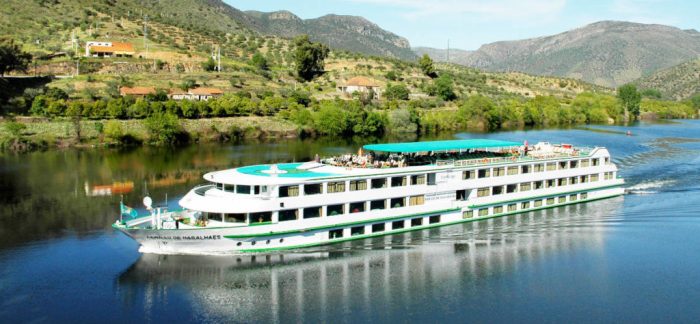
Planning a European river cruise involves considering various factors that significantly impact the final cost. The overall expense can fluctuate widely depending on several key elements, making it crucial to understand these influences before booking. A well-informed approach ensures a memorable trip without unexpected financial burdens.
Factors Influencing River Cruise Costs
Several factors contribute to the price of a European river cruise. These include the length of the cruise, the time of year, the type of cabin chosen, the cruise line, and the specific itinerary. Luxury lines naturally command higher prices than budget-friendly options, and peak season travel (summer months) is generally more expensive than shoulder seasons (spring and fall).
The amenities offered, such as onboard dining options and excursion packages, also play a significant role in the total cost. Finally, the destination itself – a cruise along the Rhine will differ in price from one on the Danube – can impact the overall expense. For instance, a seven-day Rhine cruise during peak season in a luxury suite might cost significantly more than a four-day Danube cruise in the shoulder season in a standard cabin.
Pricing Comparison Across Cruise Lines and Itineraries
River cruise lines offer a range of pricing structures, reflecting the level of luxury and amenities provided. Viking River Cruises and Avalon Waterways are often considered higher-end options, with prices reflecting their superior accommodations and inclusive packages. Lines like Emerald Waterways and Scenic Luxury Cruises also fall within the premium category. Conversely, more budget-friendly options, such as Gaucho River Cruises, exist, offering a more economical experience with potentially fewer inclusions.
Itinerary length and destination also significantly influence pricing. A longer cruise exploring multiple countries will generally be more expensive than a shorter, more localized journey. For example, a 14-day cruise along the Rhine and Danube rivers encompassing several countries would likely cost more than a 7-day cruise focusing solely on the Rhine.
Budgeting for a European River Cruise Vacation
Creating a realistic budget requires careful consideration of all potential expenses. Beyond the cruise fare itself, account for pre- and post-cruise travel costs (flights, transfers), shore excursions, gratuities, onboard spending (drinks, spa treatments), and personal expenses (souvenirs, shopping). A detailed breakdown of anticipated expenses, including a contingency buffer for unexpected costs, is essential. For example, a couple planning a 7-day Rhine River cruise might budget $5,000 – $10,000, depending on their choice of cruise line, cabin type, and spending habits.
This estimate includes the cruise fare, airfare, excursions, and personal spending. It’s recommended to start saving well in advance to adequately cover these expenses.
Saving Money on a European River Cruise
Several strategies can help reduce the overall cost. Booking well in advance often secures lower fares and better cabin choices. Consider traveling during the shoulder seasons (spring and fall) to benefit from lower prices and fewer crowds. Opting for a smaller, less luxurious cabin can also save money. Exploring independent shore excursions instead of the cruise line’s organized tours can offer cost savings, although this requires more planning.
Finally, carefully reviewing the inclusions and exclusions of the cruise fare and opting for an all-inclusive package (if budget allows) can help avoid unexpected additional costs. By strategically planning and making informed choices, it is possible to enjoy a memorable European river cruise without breaking the bank.
Cruise Vacations
The allure of a cruise vacation lies in its unique blend of convenience, exploration, and all-inclusive amenities. It offers a self-contained world where passengers can relax and enjoy a variety of onboard activities while effortlessly visiting multiple destinations. This all-in-one package appeals to a broad spectrum of travelers seeking a hassle-free and immersive travel experience.
The Appeal of Cruise Vacations Compared to Other Vacation Types
Cruise vacations stand apart from other travel options due to their comprehensive nature. Unlike land tours, which often require extensive planning and independent travel arrangements between locations, cruises offer a seamless transition between destinations. All-inclusive resorts, while offering convenience, typically confine guests to a single location. Cruises, in contrast, provide a dynamic itinerary, allowing for exploration of diverse ports of call without the logistical complexities of independent travel.
The onboard amenities, ranging from dining and entertainment to spas and fitness centers, further enhance the overall experience, creating a self-sufficient and enjoyable vacation environment.
The Target Demographic for Cruise Vacations
The cruise industry caters to a diverse demographic, though certain segments are more prominently represented. Families appreciate the structured activities and child-friendly amenities offered by many cruise lines. Couples find romantic getaways and opportunities for relaxation and togetherness. Retirement-aged individuals are drawn to the ease of travel and the inclusive nature of the experience, making it a comfortable option for those who may be less mobile.
Active travelers may find adventure cruises appealing, focusing on activities such as kayaking, hiking, or scuba diving at various destinations. The evolving nature of cruise options now also caters to younger adults and luxury travelers, with themed cruises and high-end luxury liners becoming increasingly popular.
Evolving Trends in the Cruise Industry
The cruise industry is constantly evolving to meet changing traveler preferences. Sustainability is gaining significant traction, with cruise lines investing in environmentally friendly technologies and practices to minimize their carbon footprint. Personalized experiences are also becoming more prevalent, with cruise lines offering customized itineraries and onboard activities tailored to individual interests. The rise of expedition cruises, focusing on remote destinations and unique experiences, reflects a growing demand for adventure and exploration.
Furthermore, technological advancements are enhancing the passenger experience, from mobile check-in and digital cruise cards to interactive onboard entertainment and virtual reality experiences. For example, Royal Caribbean’s Perfect Day at CocoCay showcases the industry’s investment in private island destinations, offering unique experiences beyond traditional port calls. Similarly, the introduction of luxury lines like Ritz-Carlton Yacht Collection represents a move towards exclusive and high-end offerings catering to discerning travelers.
Planning a European river cruise vacation is an investment in an unforgettable experience. From the meticulous planning stages to the final moments of your journey, the rewards are immeasurable. The memories created – exploring ancient castles, sampling regional wines, and connecting with fellow travelers – will last a lifetime. This guide has equipped you with the tools to navigate the process, from selecting the perfect itinerary to maximizing your budget.
So, start dreaming of your next adventure, and let the currents of Europe’s rivers carry you to unforgettable destinations.
FAQ Guide
What is the best time of year to take a European river cruise?
The best time is generally spring or fall for pleasant weather and fewer crowds. Summer can be hot and crowded, while winter may have limited availability.
Are river cruises suitable for solo travelers?
Absolutely! Many river cruise lines offer solo cabins and onboard activities designed to encourage socializing. It’s a great way to meet new people.
What about accessibility for passengers with disabilities?
Accessibility varies by cruise line and ship. It’s crucial to contact the cruise line directly to discuss specific needs and confirm accessibility features available.
How much should I tip on a European river cruise?
Tipping guidelines vary, but a general range is $10-$15 per person, per day, though this can be pre-paid in some cases. Check with your cruise line for their specific recommendations.


