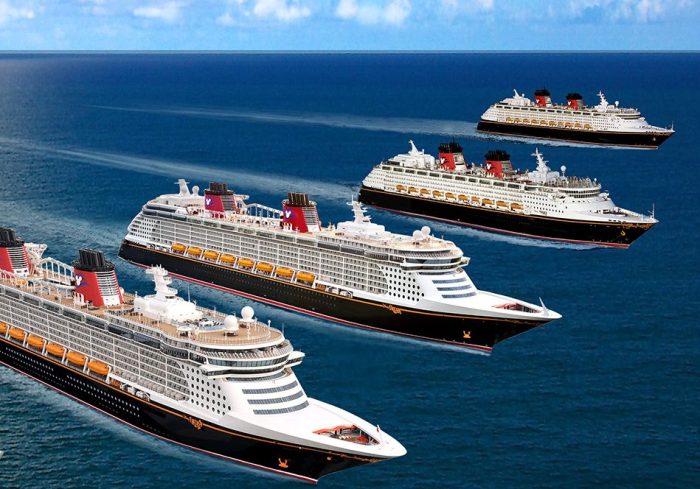
Dreaming of a perfect getaway? Cruises offer a diverse range of experiences, from relaxing escapes to thrilling adventures. Choosing the right cruise, however, requires careful consideration of your preferences and travel style. This guide navigates the complexities of cruise selection, ensuring your next vacation is exactly what you envisioned.
From understanding your ideal vacation experience – be it adventurous exploration or luxurious relaxation – to meticulously comparing cruise lines, itineraries, and onboard amenities, we’ll equip you with the knowledge to make an informed decision. We’ll explore factors such as budget, ship size, cabin type, and pre-cruise planning, helping you navigate the world of cruise options with confidence.
Understanding Your Travel Style
Choosing the right cruise hinges on understanding your ideal vacation experience. Different travelers seek different things, and recognizing your personal preferences will significantly narrow down your options and ensure a more enjoyable trip. Consider what aspects of a vacation are most important to you – adventure, relaxation, luxury, or a blend of these elements.
Matching your travel style to the right cruise line is key to a successful vacation. For example, an adventurous traveler might prioritize excursions and activities, while a relaxed traveler might prefer onboard amenities and quiet time. A luxury traveler will prioritize high-end services and exclusive experiences. Understanding these nuances will help you navigate the vast world of cruise options.
Cruise Lines and Traveler Personalities
Various cruise lines cater to specific travel styles. Some specialize in adventure-packed itineraries, while others focus on providing a luxurious and relaxing atmosphere. Knowing which lines align with your preferences will simplify your search considerably.
For the adventurous traveler, lines like Royal Caribbean International and Norwegian Cruise Line often offer a wide array of onboard activities and excursions, including zip lines, rock climbing walls, and unique shore excursions in exciting destinations. These lines often cater to a younger demographic and families with active children. For a more expedition-focused adventure, consider lines specializing in expedition cruises to remote locations, such as Quark Expeditions or Lindblad Expeditions.
The relaxed traveler might prefer the tranquil atmosphere of lines like Princess Cruises or Holland America Line. These lines typically offer a more laid-back experience with a focus on comfortable accommodations, enriching onboard activities, and a slower pace of travel. They frequently offer itineraries that prioritize relaxation and scenic beauty.
For the luxury traveler, options like Regent Seven Seas Cruises, Seabourn, or Silversea Cruises offer an unparalleled level of service, opulent accommodations, and exclusive amenities. These lines focus on providing a refined and sophisticated experience, with a high staff-to-guest ratio and personalized attention.
Cruise Line Comparison by Target Audience
The following table provides a simplified comparison of several cruise lines based on their typical target audience. Note that this is a generalization, and individual experiences may vary.
| Cruise Line | Families | Couples | Singles |
|---|---|---|---|
| Royal Caribbean | Excellent | Good | Good |
| Disney Cruise Line | Excellent | Good | Fair |
| Carnival Cruise Line | Good | Good | Good |
| Celebrity Cruises | Good | Excellent | Good |
| Silversea Cruises | Fair | Excellent | Good |
Itinerary and Destination Selection
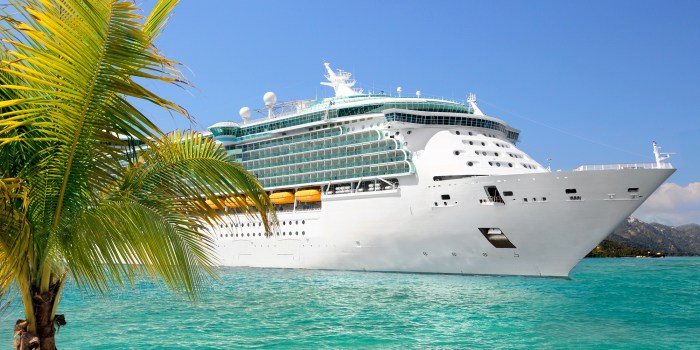
Choosing the right cruise itinerary is crucial for a memorable vacation. The length and destinations significantly impact your overall experience, determining the pace of your trip, the types of activities available, and the cultures you’ll encounter. Careful consideration of these factors ensures your cruise aligns perfectly with your travel style and expectations.Selecting a cruise itinerary involves more than just picking a destination; it’s about crafting a journey that resonates with your personal preferences.
The duration of your voyage influences the number of ports you’ll visit and the time spent at each location. Shorter cruises, typically lasting three to five days, often focus on a single region or a limited number of destinations, providing a more relaxed pace. Longer cruises, spanning seven days or more, allow for more extensive exploration, visiting multiple countries and experiencing diverse cultures.
The itinerary itself dictates the specific ports of call and the order in which you’ll visit them, influencing the overall flow and themes of your trip.
Popular Cruise Destinations and Their Attractions
The Caribbean remains a consistently popular choice, offering stunning beaches, vibrant coral reefs, and opportunities for water sports like snorkeling and diving. Islands like Jamaica, known for its reggae music and lush landscapes, and Barbados, famous for its beautiful beaches and historical sites, attract numerous cruise ships. The Mediterranean, another favored destination, boasts rich history, ancient ruins, and charming coastal towns.
Cruises through the Mediterranean often include stops in Italy, Greece, and Spain, allowing passengers to explore iconic landmarks like the Colosseum in Rome or the Acropolis in Athens. Alaska offers a completely different experience, with breathtaking glaciers, stunning wildlife viewing opportunities (bears, whales, etc.), and charming coastal towns. A cruise to Alaska allows for immersive experiences in nature, offering stunning scenery and unique wildlife encounters.
These are just a few examples; the possibilities are truly vast and varied, catering to a wide range of interests.
Factors to Consider When Selecting a Cruise Itinerary
Before booking, it’s vital to weigh several factors to ensure a perfect match between your preferences and the cruise itinerary.
- Weather Conditions: Research the typical weather patterns for your chosen destinations during the time of year you plan to travel. For instance, hurricane season in the Caribbean might influence your choice of dates. Conversely, Alaskan cruises during the shoulder seasons (spring and fall) may offer fewer crowds but potentially less favorable weather.
- Activities and Interests: Consider what you want to do on your cruise. Are you interested in historical sites, relaxing on beaches, adventurous excursions, or exploring local cultures? Choose an itinerary that aligns with your interests. A cruise focused on exploring historical sites in the Mediterranean might not be ideal for someone seeking primarily beach relaxation.
- Ports of Call: Review the specific ports of call listed in the itinerary. Research each port to understand what attractions and activities are available. Consider factors like accessibility, travel time from the port to attractions, and the overall appeal of each location. Some ports offer easy access to city centers, while others might require more extensive transportation.
- Cruise Line’s Shore Excursions: Examine the shore excursions offered by the cruise line at each port. These can range from organized tours to independent exploration options. Ensure the excursions align with your interests and budget. Consider whether you prefer guided tours or independent exploration.
- Travel Time and Transportation: Factor in the time it takes to travel to and from the cruise port, as well as the potential for delays. Consider whether you’ll need to arrange transportation to the port, and account for potential travel time disruptions.
Cruise Ship Size and Amenities
Choosing the right cruise ship size significantly impacts your overall experience. Larger ships offer a wider array of amenities and activities, catering to a diverse range of interests. Smaller ships, conversely, provide a more intimate and personalized atmosphere, often focusing on specific niche experiences or destinations. Understanding these differences is crucial for selecting a cruise that aligns with your preferences.The range of amenities varies dramatically depending on the size and type of cruise ship.
Larger vessels often resemble floating resorts, boasting multiple pools, sprawling spas, elaborate theaters hosting Broadway-style shows, numerous dining options (from casual buffets to fine-dining restaurants), extensive fitness centers, and even shopping arcades. Smaller ships, while offering fewer amenities overall, often prioritize quality over quantity. They might feature a smaller, more intimate pool area, a well-equipped spa, a cozy lounge for live entertainment, and a selection of high-quality restaurants focusing on fresh, local ingredients.
The overall experience leans towards a more relaxed and personalized service.
Large Versus Small Cruise Ship Comparison
The decision between a large and small cruise ship hinges on your personal preferences and travel style. Consider the following points when making your choice:
- Large Cruise Ships: Pros
-Wide variety of amenities and activities; multiple dining options; often more affordable per day; larger staterooms (sometimes); more itinerary choices. - Large Cruise Ships: Cons
-Can feel crowded; longer lines for activities and dining; less personalized service; can be more difficult to navigate; may feel less intimate. - Small Cruise Ships: Pros
-More intimate and personalized atmosphere; better service; often visit smaller, less accessible ports; quieter and more relaxed ambiance; more opportunity for interaction with crew and fellow passengers. - Small Cruise Ships: Cons
-Fewer amenities and activities; limited dining options; potentially higher cost per day; smaller staterooms; fewer itinerary options.
Cabin Selection and Types
Choosing the right cabin is crucial for a positive cruise experience. Your cabin will be your sanctuary at sea, so understanding the various options available is essential for a comfortable and enjoyable vacation. Consider your budget, travel style, and desired level of luxury when making your selection.
Cruise lines offer a wide variety of cabin types, each catering to different needs and preferences. The main categories are inside, outside, balcony, and suite cabins. Each offers a unique set of features and benefits, influencing both the price and the overall onboard experience.
Inside Cabins
Inside cabins are the most affordable option. As their name suggests, they lack a window or balcony, offering a more budget-friendly choice for travelers who prioritize affordability and plan to spend most of their time exploring the ship and destinations. While smaller than other cabin types, they still provide comfortable sleeping arrangements and basic amenities. Many modern inside cabins are surprisingly spacious and well-appointed.
Outside Cabins
Outside cabins offer a significant upgrade from inside cabins, providing a window or porthole that lets in natural light. This can make a considerable difference in the overall feel of the cabin, creating a brighter and more pleasant atmosphere. While they lack a private balcony, the view of the ocean or port cities adds a significant enhancement to the cruise experience.
Balcony Cabins
Balcony cabins are a popular choice, offering the best of both worlds. They provide a private balcony, giving passengers a personal outdoor space to enjoy the sea views, fresh air, and a quiet retreat from the bustling ship. This extra space is ideal for relaxing with a drink, watching the sunset, or simply enjoying the tranquility of the ocean.
The added privacy and outdoor space often justify the higher price point.
Suite Cabins
Suite cabins represent the pinnacle of luxury. These spacious accommodations offer significantly more living space, often including separate living areas, larger bathrooms, and premium amenities such as butler service, upgraded toiletries, and priority access to certain onboard services. Suites often provide stunning ocean views, sometimes from multiple balconies or expansive windows. The enhanced comfort and exclusive services make suites a desirable option for travelers seeking an opulent and pampered cruise experience.
Cabin Type Comparison
| Cabin Type | Features | Benefits | Considerations |
|---|---|---|---|
| Inside | No window, basic amenities | Most affordable | Can feel cramped, lack of natural light |
| Outside | Window or porthole, basic amenities | Natural light, more spacious feel than inside | More expensive than inside, no balcony |
| Balcony | Private balcony, enhanced amenities | Private outdoor space, ocean views | More expensive than outside cabins |
| Suite | Large space, separate living areas, premium amenities, butler service (sometimes) | Luxury and comfort, enhanced services | Most expensive option |
Cruise Vacations
Cruise vacations offer a unique blend of convenience, exploration, and relaxation, making them a popular choice for travelers of all ages and interests. The all-inclusive nature of many cruises simplifies planning, allowing you to focus on enjoying your trip rather than constantly managing logistics. The appeal lies in the seamless transition between diverse experiences, from the comfort of your floating hotel to the thrill of exploring new destinations.The diverse range of experiences available on a cruise is a significant factor in their appeal.
Cruises cater to a broad spectrum of preferences, offering something for everyone.
Onboard Activities and Shore Excursions
A wide variety of activities are typically available onboard. Imagine spending your days lounging by the pool, enjoying a cocktail at a vibrant bar, or participating in engaging workshops, from mixology classes to art demonstrations. Evenings could be spent attending Broadway-style shows, listening to live music in a sophisticated lounge, or trying your luck in the casino. Many cruise lines offer fitness centers, spas, and even dedicated children’s and teen areas, ensuring that every member of the family finds something enjoyable.Shore excursions offer a chance to delve into the local culture and landscapes of each port of call.
These guided tours can range from historical city walks and culinary explorations to adventurous activities like zip-lining through rainforests or snorkeling in vibrant coral reefs. For example, a cruise to the Caribbean might include a shore excursion to explore Mayan ruins, while a Mediterranean cruise could offer a guided tour of ancient Roman sites. The options are virtually limitless, depending on the itinerary and your personal interests.
Cruise Vacations Compared to Other Vacation Types
Compared to all-inclusive resorts, cruises offer a more dynamic vacation experience. While resorts offer a relaxing and self-contained environment, cruises provide a constant change of scenery and culture as you visit multiple destinations. The cost structure is also different; while all-inclusive resorts typically include food and drinks, shore excursions are often extra. On a cruise, the base fare often includes meals and onboard entertainment, but shore excursions are usually additional.Independent travel provides maximum flexibility, but it also requires significantly more planning and organization.
You are responsible for booking flights, accommodations, transportation, and activities independently. A cruise, in contrast, handles much of the logistics, simplifying the planning process and offering a more relaxed travel experience. The trade-off is a degree of less flexibility in your itinerary. However, many cruises offer a good balance between structure and spontaneity, allowing for both planned excursions and free time for independent exploration in port.
Selecting the perfect cruise is a journey in itself, a journey of discovery leading to unforgettable memories. By thoughtfully considering your travel style, desired amenities, budget, and itinerary preferences, you can confidently choose a cruise that perfectly matches your expectations. Remember, the ideal cruise vacation is one tailored to your individual needs and desires, promising an experience as unique as you are.
So, embark on your planning adventure and set sail towards your dream vacation!
Questions and Answers
What’s the best time of year to book a cruise?
Generally, booking well in advance (6-12 months) secures the best prices and cabin selection, especially for popular itineraries and travel times. Last-minute deals can sometimes be found, but availability is limited.
How much should I budget for onboard spending money?
Onboard spending varies greatly depending on your preferences. Factor in costs for drinks, specialty dining, shore excursions, spa treatments, and souvenirs. A reasonable estimate is $50-$150 per person per day, but this can be higher or lower depending on your choices.
What if I get seasick?
Many cruise lines offer medication and remedies for seasickness. Consider booking a lower deck cabin for reduced motion, and pack appropriate medication if you’re prone to seasickness. Choosing a larger ship can also lessen the impact of waves.
Can I bring my own alcohol onboard?
Most cruise lines have restrictions on bringing alcohol onboard. Policies vary, so check your cruise line’s specific rules before packing any alcoholic beverages. Often, there are fees or restrictions for bringing alcohol into your cabin.